Agatha: A Bold, Playful Handwritten Font
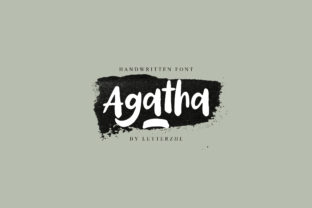
Agatha is more than just a font—it's a creative tool that brings personality and energy to any design. This authentic handwritten font has a bold and playful style that makes it stand out in a sea of generic typefaces. Whether you're working on a logo, a social media post, or a product label, Agatha adds a unique touch that captures attention and conveys character.
Designed with a handcrafted feel, Agatha combines the warmth of real handwriting with the precision of digital typography. Its strokes are fluid yet structured, giving it a sense of movement and spontaneity. The font’s irregularities and subtle variations make it feel genuine, as if someone had written it by hand rather than generated it through software. This authenticity is what sets Agatha apart from other fonts and makes it ideal for projects that require a personal, human touch.
Where Agatha Shines Best
Agatha excels in designs where visual impact and emotional connection matter most. It works particularly well in logo design, where its distinctive style can help a brand stand out and create a memorable identity. For businesses looking to convey creativity, fun, or approachability, Agatha is an excellent choice.
The font also shines in editorial design, such as book covers, magazine layouts, and promotional materials. Its boldness ensures it commands attention without overwhelming the surrounding text. In packaging design, Agatha can add a whimsical or artisanal feel to product labels, making them more appealing to consumers.
For web design and social media graphics, Agatha adds a dynamic, eye-catching element that can elevate the visual appeal of headlines, banners, and call-to-action buttons. It’s especially effective when used sparingly, allowing it to act as a focal point without sacrificing readability.
How Agatha Influences Design and Branding
Typography plays a crucial role in how audiences perceive a brand. Agatha’s bold and playful style can influence brand perception by communicating a sense of creativity, confidence, and individuality. When used consistently across marketing materials, it helps build brand recognition and reinforces a cohesive visual identity.
In terms of visual hierarchy, Agatha works best as a display font rather than a body text font. Its intricate details and varying stroke widths make it less suitable for long paragraphs but perfect for headings, titles, and key messages. When paired with simpler fonts, it can create a balanced contrast that enhances readability while maintaining visual interest.
For small business owners and entrepreneurs, Agatha offers a way to express their brand’s personality without relying on generic templates. It’s ideal for creating custom merchandise, greeting cards, and promotional materials that reflect a unique style and message.
Choosing the Right Font for Your Project
When considering Agatha for a project, start by evaluating the purpose and audience. If your goal is to create a fun, engaging design that stands out, Agatha is a strong candidate. However, if clarity and legibility are top priorities, you may want to pair it with a more traditional typeface for supporting text.
Testing font pairings is essential. Try using Agatha alongside a sans serif or serif font to see how they complement each other. A clean, modern font like Helvetica or Georgia can provide a nice contrast to Agatha’s organic style, creating a balanced and professional look.
Also, consider the context in which the font will be used. Agatha may not be the best choice for large blocks of text, but it can work well in short phrases, headlines, or decorative elements. Always test the font at different sizes and on various backgrounds to ensure it remains readable and visually appealing.
Understanding Commercial Licensing and Practical Use
Before using Agatha in commercial projects, it’s important to review the licensing terms. Most premium fonts come with specific usage rights, so make sure you understand what you’re allowed to do with the font. For example, some licenses may restrict its use in certain industries or require additional fees for extended use.
If you're a designer or small business owner, investing in a commercial license for Agatha can provide flexibility and peace of mind. It allows you to use the font in a wide range of applications, from website headers to printed materials, without worrying about legal issues.
For personal projects or hobbyists, Agatha can still be a valuable addition to your design toolkit. Its versatility and charm make it a great choice for handmade cards, social media posts, and DIY crafts. Just be mindful of the licensing requirements if you plan to sell or share your work.
Real-World Applications of Agatha
Imagine a boutique coffee shop using Agatha for its logo and menu headers. The font’s playful style would reflect the café’s cozy, inviting atmosphere while standing out from competitors. Or consider a children’s book publisher using Agatha for chapter titles and illustrations—its handwritten look would add a warm, nostalgic feel that resonates with young readers.
Another example is a fashion brand incorporating Agatha into its packaging design. The font could appear on tags, labels, and promotional materials, reinforcing the brand’s creative and artistic identity. In this case, Agatha becomes more than just a font—it becomes part of the brand’s story and visual language.
For content creators and bloggers, Agatha can be a powerful tool for making headlines and captions more engaging. Whether you're designing Instagram posts, YouTube thumbnails, or blog banners, the font adds a personal, expressive quality that can increase audience engagement and interaction.