Hermes: A Signature Font for Professional and Creative Workflows
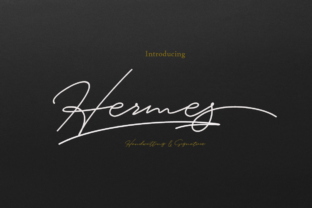
Hermes is a monoline signature font designed to bring a personal, handwritten touch to digital design. Its natural writing style and unique calligraphic forms make it ideal for projects that require authenticity, elegance, and a human element. Whether you're working on branding, marketing materials, editorial content, or personal projects, Hermes can enhance your creative output with its distinctive character.
As a font that mimics the fluidity of real handwriting, Hermes fits seamlessly into workflows where a personalized feel is essential. It’s particularly useful in scenarios where consistency and readability are important, such as logos, headings, and visual identity systems. By integrating Hermes into your design process, you can add a level of sophistication that stands out from standard typefaces.
How Hermes Fits Into Broader Processes
In professional and creative environments, the choice of typography often plays a critical role in communication. Hermes can be used at various stages of a project, from initial concept to final execution. For instance, during the brainstorming phase, it can help visualize ideas with a more organic feel. In the production stage, it can serve as a key element in visual storytelling or brand expression.
For entrepreneurs and small business owners, Hermes can be part of a larger branding strategy. When developing a logo or packaging design, using a signature font like Hermes can create a memorable and unique identity. This is especially relevant for businesses aiming to stand out in competitive markets by emphasizing craftsmanship and individuality.
Integrating Hermes Into Your Workflow
Before starting a project, consider how Hermes can align with your goals. If your objective is to convey a sense of authenticity, Hermes can be an effective tool. For example, in email campaigns or social media posts, using Hermes for headlines or captions can make your message feel more personal and engaging.
During the design process, Hermes can be combined with other fonts to create visual contrast and hierarchy. Pairing it with a clean sans-serif typeface, for instance, can balance its ornamental qualities with modern clarity. This approach ensures that your designs remain readable while still maintaining a distinct personality.
After completing a project, Hermes can help maintain brand consistency. If you're working on a series of documents, presentations, or marketing assets, using the same font across all materials reinforces your brand’s visual identity. This is especially valuable for freelancers, educators, and content creators who need to maintain a cohesive look across multiple platforms.
Practical Use Cases for Hermes
One common use case for Hermes is in personal branding. Bloggers, influencers, and professionals looking to establish a strong online presence can benefit from using this font in their website headers, social media bios, or email signatures. It adds a refined, individualized touch that reflects their unique voice.
For educators and content creators, Hermes can be used in lesson plans, course materials, or instructional guides. Its elegant appearance makes it suitable for academic or professional settings where a polished yet approachable look is desired. It can also be used in infographics or presentation slides to highlight key points with a visually appealing style.
Entrepreneurs and marketers can leverage Hermes in promotional materials such as brochures, flyers, and advertisements. Its calligraphic style gives these materials a premium feel, which can help attract attention and build trust with potential customers. When used in conjunction with high-quality images and well-structured layouts, Hermes can elevate the overall impact of your messaging.
Compatibility and Usability Considerations
When using Hermes, it's important to ensure compatibility with your design software and platforms. Most modern design tools, including Adobe Creative Suite, Figma, and Canva, support custom fonts. Before incorporating Hermes into your workflow, verify that it works smoothly with your preferred applications and that it renders consistently across different devices and screen sizes.
Usability is another key factor. While Hermes has a distinctive style, it should still be legible in various contexts. Test it at different sizes and in different formats to ensure that it remains clear and effective. For example, if you’re using it in a large headline, it should be bold enough to stand out without losing its elegance. In smaller text, it should maintain readability without appearing too ornate.
Efficiency and Long-Term Use
Using Hermes over time can contribute to efficiency in your design process. Once you’ve selected a font that matches your aesthetic and functional needs, you can reuse it across multiple projects, saving time and effort. This is especially beneficial for businesses or individuals who work on a variety of tasks and need a consistent visual language.
Long-term use also involves maintaining quality control. As your design needs evolve, revisit how Hermes fits into your overall strategy. If new trends or requirements emerge, consider whether adjustments are needed. However, the timeless appeal of Hermes makes it a reliable choice for many creative and professional applications.
Observations and Tips for Effective Implementation
To get the most out of Hermes, start by experimenting with it in small, low-risk projects. This allows you to see how it performs in different contexts before applying it to more critical work. For example, use it in a personal blog post or a social media graphic to gauge its effectiveness.
Another tip is to pay attention to spacing and alignment. Since Hermes has a handwritten feel, it may require slight adjustments to ensure it looks balanced and professional. Use design tools to fine-tune kerning and tracking, and always preview your work in different formats to check for consistency.
Finally, don’t hesitate to combine Hermes with other design elements that complement its style. Whether it’s color schemes, illustrations, or layout structures, thoughtful integration can enhance the overall impact of your work. The goal is to create a harmonious visual experience that supports your message and engages your audience.