Exploring the Elegance and Versatility of Rosabelia
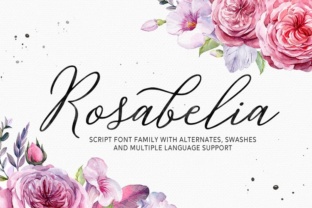
Rosabelia is a modern script font family that blends elegance with a casual, approachable feel. Designed for typography enthusiasts and professionals alike, it offers a unique balance between sophistication and informality. Its distinctive characteristics make it a compelling choice for a wide range of design projects, from event invitations to branding materials.
The font’s appeal lies in its extensive set of stylistic alternates, ligatures, and swashes. These features allow designers to customize their typographic output, ensuring a more personalized and refined look. Whether used in print or digital formats, Rosabelia adds a touch of class without sacrificing readability or usability.
What Makes Rosabelia Unique?
Rosabelia stands out due to its versatility and attention to detail. Unlike many script fonts that lean heavily toward either formality or playfulness, Rosabelia manages to straddle both ends of the spectrum. This makes it suitable for a broad array of applications, from formal documents to creative projects that require a more relaxed aesthetic.
One of the key differentiators is the font’s extensive support for stylistic alternates. These allow users to switch between different versions of letters, creating visual variety and avoiding repetition. Ligatures further enhance the font’s fluidity, making text appear more natural and cohesive. Swashes—ornamental flourishes on certain characters—add an extra layer of sophistication, especially when used in headings or titles.
Compared to other script fonts, Rosabelia offers a more balanced approach. Some alternatives may be too ornate for everyday use or lack the flexibility needed for complex layouts. Rosabelia, on the other hand, maintains a clean structure while still allowing for creative expression.
When to Use Rosabelia
Rosabelia excels in scenarios where a polished yet friendly tone is desired. It is particularly well-suited for special event designs such as wedding invitations, graduation announcements, or corporate event flyers. The font’s ability to convey both elegance and warmth makes it ideal for these contexts.
In print media, Rosabelia can elevate the visual appeal of brochures, posters, and packaging. Its legibility at smaller sizes ensures that even fine details remain clear and readable. For digital use, it works well in web headers, social media graphics, or email newsletters where a personal touch is beneficial.
Designers who appreciate customization will find Rosabelia’s alternate characters and ligatures especially useful. These features enable greater control over the final appearance, helping to avoid generic or repetitive looks that can detract from a project’s impact.
Comparing Rosabelia to Other Script Fonts
When evaluating script fonts, it’s important to consider the intended use and the level of customization required. Rosabelia falls into a category of fonts that offer both style and functionality, which sets it apart from more rigid or overly decorative alternatives.
Fonts like Playfair Display or Great Vibes are often used for similar purposes but tend to have a more defined character. Playfair Display, for example, is known for its strong typographic presence, making it ideal for headlines or high-impact designs. Great Vibes, on the other hand, leans more toward a whimsical or vintage feel, which may not suit all projects.
Rosabelia provides a middle ground. It retains the grace of traditional script fonts while offering the adaptability needed for modern design workflows. This makes it a practical choice for those who want to maintain a professional appearance without compromising on creativity.
Strengths and Limitations of Rosabelia
Rosabelia’s strengths include its versatility, rich feature set, and balanced aesthetic. It is a font that can be adapted to various design needs, making it a valuable addition to any typographic toolkit. Its support for alternates and ligatures also means that it can be tailored to fit specific brand identities or artistic visions.
However, there are some limitations to consider. Rosabelia may not be the best choice for large blocks of body text, as its script style can become less readable when used extensively. In such cases, pairing it with a more neutral sans-serif font might be a better option to ensure clarity and accessibility.
Another consideration is the learning curve associated with using stylistic alternates and ligatures. While these features add depth to the design, they require a basic understanding of how to access and apply them effectively. Designers who are new to this level of customization may need to spend some time familiarizing themselves with the font’s capabilities.
Best Fit Scenarios for Rosabelia
Rosabelia is most effective in situations where a custom, elegant look is desired without overwhelming the viewer. It works well in projects that require a humanized or personal touch, such as thank-you notes, product labels, or promotional materials for events with a refined atmosphere.
For businesses looking to establish a distinct brand identity, Rosabelia can serve as a signature font for logos, stationery, or marketing collateral. Its ability to blend formality with a casual edge makes it adaptable to a wide range of industries, from hospitality to fashion.
Additionally, Rosabelia is a good choice for designers who want to experiment with typography without relying on pre-set templates. Its flexibility allows for creative exploration, making it a go-to option for those who value originality in their work.
When to Consider Alternatives
While Rosabelia is a strong contender, there are situations where other fonts may be more appropriate. For instance, if a project requires a highly structured or minimalistic look, a sans-serif or serif font might be a better fit. Fonts like Lato or Georgia provide a clean, professional appearance that can complement more technical or data-driven content.
Similarly, for projects that demand a bold, eye-catching presence, a display font with a more pronounced style could be preferable. Fonts like Bebas Neue or Oswald are designed to command attention and may be more suitable for headlines or signage.
Ultimately, the decision should depend on the specific needs of the project and the desired tone. Rosabelia is an excellent choice for many applications, but it’s important to evaluate whether it aligns with the overall vision and goals of the design.
Conclusion: Is Rosabelia Right for You?
Rosabelia is a versatile and expressive script font that offers a unique blend of elegance and casual charm. Its rich set of features, including stylistic alternates, ligatures, and swashes, makes it a powerful tool for designers seeking to create visually engaging and personalized typographic solutions.
Whether used in print or digital formats, Rosabelia can enhance the aesthetic of a wide range of projects. However, its suitability depends on the context, the scale of the design, and the designer’s familiarity with its advanced features. For those who value customization and a balanced style, Rosabelia is a compelling option that can elevate their work with a touch of refinement and creativity.